
Advances in dental materials and techniques have made replacing missing teeth more predictable and natural-looking than ever. While dental implants and fixed bridgework provide long-term, fixed options for many patients, removable dentures remain a versatile and reliable solution for restoring a complete smile when implants or bridges are not appropriate.
Maryland Dental Center crafts dentures using high-quality materials and careful laboratory techniques to achieve a comfortable fit and a natural appearance. Our approach balances function and aesthetics so patients can speak, eat, and smile with confidence while maintaining facial support.
Losing one or more teeth affects much more than the visible appearance of your smile. Missing teeth change how your bite distributes force, which can lead to excessive wear and shifting of adjacent teeth. Over time, these changes may increase the risk of future dental problems and contribute to uneven chewing patterns that affect digestion and nutrition.
Beyond the mouth, tooth loss can lead to gradual bone resorption in the jaw where teeth are absent. This bone loss alters facial contours, often making the lower face appear sunken or older than it is. Restoring the missing teeth with an appropriate prosthesis helps preserve facial structure and supports the soft tissues for a more youthful profile.
There is also a social and emotional component: gaps in the smile can reduce a person’s willingness to socialize or speak freely. Replacing missing teeth restores function and appearance, and it can renew a patient’s confidence. Because these impacts evolve gradually, it’s best to assess replacement options early to avoid more complex problems later on.

Dentures are removable dental appliances that replace missing teeth and the supporting structures immediately around them. Each denture consists of prosthetic teeth set into a base that conforms to the gums; the base can be made to match your natural gum color and the teeth customized for size, shape, and shade so the result looks balanced and natural.
Unlike fixed restorations such as implant-retained crowns or bridges, removable dentures are designed to be taken out for cleaning and for giving the gums a rest. This removability makes maintenance straightforward and allows for easy inspection and care of any remaining natural teeth and oral tissues.
Modern denture design focuses on retention, comfort, and function. Techniques such as careful border molding, precise bite registration, and personalized tooth selection ensure the prosthesis fits well and performs reliably for speaking and chewing. For many patients, a well-made denture is an effective long-term prosthetic that restores daily function with a pleasing appearance.
Selecting the ideal denture depends on how many teeth remain, the health of those teeth, and the condition of the gums and jawbone. A thorough clinical exam and diagnostic imaging help determine whether a partial denture, a conventional full denture, or a supported option will give the best long-term result. We evaluate each case to recommend the most predictable and comfortable approach.
Full (complete) dentures replace all the teeth in the upper or lower arch when no natural teeth remain. Partial dentures fill in the spaces left by missing teeth while preserving healthy neighboring teeth. Partial designs also prevent unwanted drifting of remaining teeth, which helps maintain proper bite alignment and oral function.
For patients seeking added stability, overdentures and implant-supported options can provide greater retention and comfort. Overdentures may use attachments to existing roots or implants for extra support, while implant-supported dentures clip or snap onto implants to reduce movement and improve chewing efficiency—especially for the lower arch where conventional dentures can be less stable.
Complete dentures can be made after the gums have healed from extractions (conventional approach) or provided immediately after teeth removal so the patient is never without teeth. Immediate dentures offer the advantage of continuous tooth replacement during healing but may require subsequent relines as tissues change. Your provider will discuss timing and expectations to help you choose the best path forward.
Immediate Denture
An immediate denture is placed at the same appointment as extractions so you leave the dental office with a complete smile. As the gums heal and reshape, adjustments or relines are commonly needed to maintain fit and comfort.
Overdenture
An overdenture rests on top of the gums but gains added support from remaining tooth roots or specially placed implants. This hybrid approach preserves bone and increases the prosthesis’ stability compared with a conventional denture.
Implant-Supported Dentures
Implant-supported dentures attach to dental implants anchored in the jaw. This option minimizes movement, enhances chewing strength, and often improves patient comfort and confidence, especially for lower-arch prostheses that otherwise tend to shift.
Partial dentures come in a variety of frameworks—metal-based designs for strength, flexible resin frameworks for a more esthetic look, and hybrid materials that blend comfort and durability. The design chosen will depend on the location of missing teeth, esthetic goals, and the condition of the remaining dentition.
A well-planned partial denture not only replaces teeth but helps preserve the natural arrangement of the mouth by preventing drifting and preserving occlusion. During your consultation, we review material options and design strategies to ensure the prosthesis complements your oral health plan.
As your trusted dental provider, the practice team evaluates the best prosthetic option for your needs and guides you through each step of selection and care so the final result is both functional and natural-looking.

Craftsmanship begins with a comprehensive examination: medical and dental history, photographs, and diagnostic imaging help the clinician map your oral landscape. We assess gum health, bone contours, and any remaining teeth to determine whether preparatory treatments—such as extractions or minor tissue reshaping—are needed for an optimal outcome.
The fabrication process involves precise impressions, careful bite records, and collaboration with skilled dental technicians. Trial fittings allow adjustments to tooth position, color, and bite before the final prosthesis is processed. This iterative approach reduces surprises at delivery and increases the likelihood of a comfortable, well-functioning appliance.
Modern denture materials and digital technologies have improved fit and durability. Still, success depends on thoughtful design and attention to function—how the denture interacts with the lips, tongue, and opposing teeth—to ensure clear speech, efficient chewing, and a natural appearance that complements your facial features.

Adjusting to a new denture is a process that most patients complete in a few days to a few weeks. Early on, you may experience increased saliva production and mild soreness as tissues adapt. These reactions are normal; routine follow-up appointments allow the clinician to refine the fit and relieve any pressure spots for a smoother transition.
Speaking and eating will feel different at first. Practicing speech by reading aloud and starting with soft, well-cut foods will speed adaptation. Over time, muscles of the lips, cheeks, and tongue learn to coordinate with the denture so you can enjoy a broader range of foods with confidence.
Daily care extends the life of your denture and protects oral health. Rinse and brush the prosthesis after meals, soak it overnight in water or a recommended cleanser, and continue to brush any remaining natural teeth and gums. Removing dentures at night gives tissues a restorative break and helps reduce the risk of irritation or infection.
Periodic checkups are important even when a denture feels comfortable. Regular examinations let your provider monitor tissue changes, assess the need for relines or repairs, and ensure that oral health remains strong. When relines are required, they restore intimate contact between the denture base and the gums to maintain stability and comfort.
In every case, our goal is to help you enjoy dependable function and a natural appearance from your denture. If you’d like to learn more about tooth replacement options and what to expect, contact Maryland Dental Center for additional information and to schedule a consultation with our team.


Today, it’s easier than ever to replace missing teeth and achieve natural-looking, durable, and long-lasting results! Depending on a patient’s dental needs, lifestyle, expectations of care, and budget, choices can include conventional fixed bridgework, dental implants, or removable partial and complete dentures. At the office of Maryland Dental Center, we’ll discuss all your options in care and answer all your questions as you choose the solution that’s right for you.
With advances in dental materials and technology, today’s dentures are more comfortable and realistic-looking than ever before.
Whether you wear partial or complete dentures, it’s essential to see the dentist for routine care. Besides checking the fit and condition of your dentures and making any necessary adjustments, you’ll also receive a comprehensive exam to check on the health of any remaining teeth as well as the soft and hard tissues in and around the oral cavity.
A same-day denture offers an accelerated design and fabrication process that allows a patient to go from impression taking to denture insertion in a single day.
For patients who don’t want to wait after having teeth extracted, an immediate denture can be inserted the same day your teeth are removed. Sometime later you may need the denture relined to address any changes in its fit once the extraction sites have completely healed.
While no one wants to drop or break a partial or complete denture, accidents do happen. The good news is that in some cases, your partial or complete denture is reparable. It all depends on the extent of the damage. Don’t hesitate to contact our office if you’ve broken or damaged your denture. We’re happy to help.
The simple act of taking your partial denture in and out can cause certain types of metal clasps to loosen over time. When you come in for your checkup visit or contact our office for an adjustment, we’ll assess the fit of your partial and tighten the clasps for improved stability and comfort.
While rebuilding a complete smile is a worthwhile investment, our office is sensitive to the costs involved in dental care. We customize care and will discuss which treatment options address your needs, lifestyle, and budget. How much a new denture will cost depends on the type of the prosthesis, its design, and the materials used to fabricate the supportive base, teeth, and clasps or precision attachments. Dentures that include the placement of dental implants for added retention and stability typically involve additional costs.
If you have dental insurance, your coverage may include a new or replacement set of dentures. Our staff is happy to review your coverage with you to ensure you are maximizing your insurance benefits while minimizing any out of pocket expenses.
At the office of Maryland Dental Center, we provide an extensive range of dental services, including the latest and most effective methods to help patients with missing teeth rebuild complete and beautiful smiles. As skilled and experienced professionals, we recognize that every patient is different, and every smile is unique. We’re passionate about what we do and take great pride in providing personalized treatment plans while treating our patients as valued partners in care.
Dentures are removable prosthetic devices that replace missing teeth and the surrounding gum tissue. They consist of artificial teeth set into a base that conforms to the contours of the gums and is designed to restore chewing, speech, and facial support. By redistributing bite forces and filling gaps left by missing teeth, dentures help maintain oral function and can prevent adjacent teeth from shifting.
Modern denture design emphasizes retention, comfort, and natural appearance through careful tooth selection and base contouring. Proper fit depends on accurate impressions, bite records, and adjustments during the delivery process. With routine care and periodic professional checks, dentures can provide reliable daily function for many patients.
There are several denture types to match different clinical situations, including complete (full) dentures, partial dentures, overdentures, and implant-supported dentures. Complete dentures replace all teeth in an arch, while partial dentures fill gaps when some natural teeth remain and also help prevent unwanted drifting. Overdentures rest on remaining tooth roots or implants for added support, and implant-supported dentures attach to implants for improved stability and chewing efficiency.
Partial frameworks may be metal-based for strength or made from flexible resins for improved comfort and aesthetics, and complete dentures are crafted from durable acrylics or hybrid materials to mimic natural gums and teeth. The choice depends on the number of missing teeth, condition of remaining teeth and gums, bone support, and the patient’s functional and aesthetic goals. Your clinician will review the advantages and limitations of each option to recommend the most appropriate approach.
Determining whether dentures are appropriate requires a clinical examination that evaluates the health of remaining teeth, gum tissue, jawbone, and overall oral health. Dentures are often recommended when multiple teeth are missing and fixed restorations such as bridges or implants are not feasible due to limited bone, insufficient adjacent teeth, or medical considerations. The decision balances functional needs, aesthetic goals, and long-term oral health planning.
A thorough consultation includes diagnostic imaging and a discussion of alternative treatments, including implant-supported solutions, to compare retention, maintenance, and expected outcomes. Your provider will explain how each option affects chewing, speech, and facial support, and will recommend a plan that prioritizes predictable function and oral health preservation. Early assessment helps avoid complications that can arise from untreated tooth loss, such as bone resorption and shifting of remaining teeth.
Immediate dentures are made in advance and inserted at the same appointment as tooth extractions so the patient leaves the office with teeth in place. Conventional (delayed) dentures are created after extraction sites have healed, typically several weeks to months later, which can allow for a more accurate fit once tissues have stabilized. Immediate dentures provide continuous tooth replacement during healing but usually require relines or adjustments as the gums and bone remodel.
Conventional dentures tend to need fewer early adjustments because they are fabricated to conform to the healed oral tissues, while immediate dentures must be modified to maintain fit as healing progresses. Your clinician will discuss the expected timeline, care during the healing period, and the likelihood of follow-up visits for relines or adjustments so you can choose the timing that best fits your clinical needs and lifestyle. Both approaches are valid; the right choice depends on the condition of your mouth and your treatment goals.
Implant-supported dentures attach to dental implants that are surgically placed in the jaw, providing enhanced stability and chewing efficiency compared with conventional removable dentures. These prostheses may be fixed or removable and are especially beneficial for lower-arch replacements, where traditional dentures can be less stable. Candidates for implant-supported options should have sufficient bone volume or be willing to undergo preparatory bone grafting, and they should be in adequate general health for dental surgery.
The treatment plan includes implant placement, a healing period for osseointegration, and prosthetic attachment or fabrication, and it can significantly reduce denture movement and improve patient comfort. A comprehensive evaluation including medical and dental history, clinical examination, and radiographic imaging helps determine candidacy and the most appropriate implant configuration. Your provider will explain surgical steps, expected timelines, and long-term maintenance so you can make an informed decision.
The fabrication process starts with a comprehensive examination and diagnostic records, including impressions, bite registrations, and photographs to capture the oral anatomy and occlusion. Dental technicians use these records to set up trial dentures that allow the clinician and patient to evaluate tooth position, shade, and bite relationships prior to final processing. Trial fittings are an important step to refine aesthetics and function and to reduce surprises at final delivery.
Once the trial setup is approved, the final denture is processed, finished, and polished with attention to base contours that support the lips and cheeks. At delivery, the clinician checks fit and occlusion and makes any needed adjustments to relieve pressure points and improve comfort. Follow-up visits are scheduled to monitor healing, adapt the prosthesis to tissue changes, and perform relines or minor repairs when necessary.
Adjustment to new dentures varies by individual but typically takes from a few days to several weeks as oral tissues and muscles adapt to the prosthesis. Early adaptation often includes increased saliva production, mild soreness, and changes in speech, which generally diminish as the mouth becomes accustomed to the appliance. Practicing speech, starting with soft foods, and gradually progressing to firmer textures will help accelerate the learning process.
Regular follow-up appointments are important during this period so the clinician can relieve pressure spots and adjust the bite for improved comfort and function. If persistent discomfort, difficulty speaking, or instability continues beyond the expected adaptation timeframe, additional adjustments or a re-evaluation of the denture design may be necessary. Patient education and realistic expectations contribute greatly to a successful transition to wearing dentures.
Daily cleaning preserves the appearance and longevity of dentures and helps protect oral tissues from irritation or infection. Rinse and brush the prosthesis after meals to remove food particles, use a soft brush and nonabrasive cleanser recommended for dentures, and soak the appliance overnight in water or an appropriate denture solution to keep it hydrated and clean. Avoid using bleach or abrasive household cleaners that can damage acrylic and metal components.
Maintain routine oral hygiene for any remaining natural teeth and soft tissues by brushing and, when appropriate, flossing, and remove dentures at night to give tissues a restorative break. Regular dental checkups allow the clinician to assess tissue health, evaluate fit, and perform professional appliance maintenance such as relines or adjustments. Proper daily care combined with periodic professional oversight helps prevent complications and extends the functional life of the denture.
Dentures may require relines when the fit becomes loose due to natural changes in the jaws and gums, and relines restore intimate contact between the denture base and oral tissues. Repairs are needed if the appliance fractures, a tooth becomes dislodged, or metal components on a partial denture are damaged; timely professional repair prevents further complications. Replacement is considered when wear, significant changes in fit, or material degradation compromise function or aesthetics.
Regular examinations allow your dental provider to monitor tissue changes, identify wear or damage early, and recommend relines, repairs, or replacement at the appropriate time. Signs that a re-evaluation is needed include persistent soreness, difficulty chewing, slippage, or noticeable changes in facial support. Addressing these issues promptly preserves oral health and comfort and reduces the likelihood of more extensive corrective work later.
A denture consultation begins with a review of your medical and dental history, a clinical examination, and diagnostic imaging when indicated to assess bone levels and tissue health. The clinician will discuss the types of prostheses available, explain clinical findings, and outline any preparatory treatments such as extractions or tissue reshaping that may be necessary for a successful outcome. Expect a conversation about functional goals, aesthetic preferences, and the practical aspects of wearing and caring for a denture.
At the consultation you can review material and design options, ask about timelines for immediate versus conventional approaches, and learn about follow-up care and maintenance expectations. The team will present a recommended treatment plan tailored to your oral condition and answer questions so you can make an informed decision. To schedule a consultation or learn more about denture options, contact Maryland Dental Center and the office team will guide you through next steps.
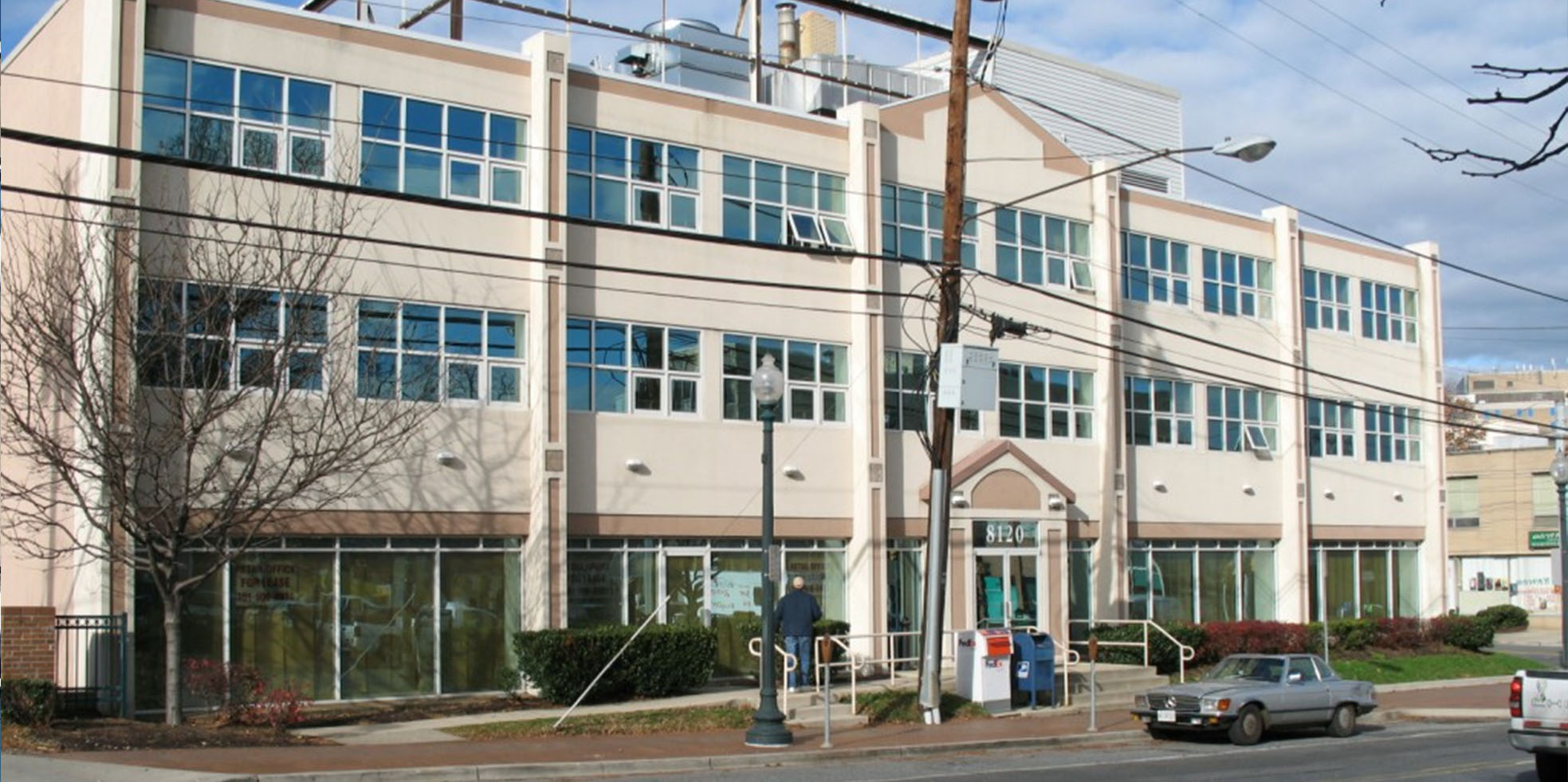
Booking your visit takes a minute.
Reserving your appointment is quick and easy. Book online in just a few clicks, or give us a call if that's simpler — either way, we'll take it from there and look forward to welcoming you in.
